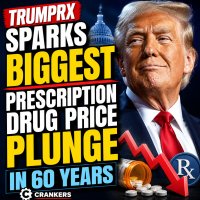
Prescription drug costs just nosedived at a rate not witnessed since 1963.
According to fresh Bureau of Labor Statistics numbers, prescription medication prices tumbled 3.1% over the twelve months ending in July, as reported here. That marks the most dramatic annual slide in more than six decades. The wider medicinal drug category sank 2.7% during the same window, setting an all time record for yearly decline.
The Trump White House is doing a full victory lap, and honestly, can you blame them? White House spokesman Kush Desai fired off a statement declaring that no modern president has managed to slash prescription costs across the board like Donald Trump. He credited bold policies and the administration's willingness to push boundaries in the name of putting Americans first.
At the center of the celebration sits TrumpRx, the program rolled out earlier this year that offers certain GLP-1 weight loss medications for just $150 at a starting dose. Those same drugs previously ran patients north of $1,000 monthly through insurance channels. A separate Medicare pilot launched in July saw Novo Nordisk and Eli Lilly agree to bill the federal government only $245 per month for blockbuster medications Wegovy, Zepbound, and Foundayo. Negotiations on those deals kicked off last year, with broad terms revealed in November.
Investment research outfit Renaissance Macro noted that drug prices have been cratering at a seasonally adjusted annual pace of 6.6% over the previous half year, calling it the sharpest six month plunge ever recorded. Their reaction to the July figures? "Just what the doctor ordered!" they posted on X.
But hold on. Not everybody is ready to hand Trump the trophy just yet.
Some health policy wonks say Medicare drug negotiations established under Joe Biden's Inflation Reduction Act deserve a significant chunk of the credit. Those negotiated prices kicked in at the start of 2026 and currently apply to ten commonly prescribed medications. Richard Frank, a Brookings Institution senior fellow and Harvard professor emeritus of health economics, said if he were placing a bet on what mattered most, he would put his money on provisions from the Inflation Reduction Act rather than Trump's initiatives.
Vanderbilt University health policy professor Stacie Dusetzina echoed that sentiment, arguing that the negotiated Medicare drugs carry high enough volume to genuinely move the prescription price index. She pointed out that TrumpRx currently covers a relatively narrow selection of branded medications, and outside of GLP-1s, their volume might not be significant enough to register in the data.
The Trump administration pushed back hard on that framing, noting that Biden's law took years before producing tangible results while the current White House struck pricing agreements at lightning speed.
There is also another quiet factor at play. A wave of brand name medications recently lost patent protection, allowing cheaper generic alternatives to flood the market. The Bureau of Labor Statistics swaps those generics into its pricing sample over time, which naturally pulls the index downward.
Worth noting, the federal prescription drug index does not simply track sticker prices set by manufacturers. It measures what pharmacies actually collect from consumers, insurers, and Medicare Part D combined. So declining numbers can reflect smarter deals, greater generic adoption, or reduced out of pocket expenses.
Regardless of who gets the credit, the bottom line is undeniable. Drug prices are falling at a pace Americans have not experienced since Kennedy was in the Oval Office, and the political bragging rights war is just getting started.
Read more breaking news stories at: Trending Politics News