If the government isn't taking the hint by now, then it's very obvious that citizens don't want FLOCK Cameras anywhere in their neighborhoods.
One town was shocked when all eight of the cameras were cut down in a single night. When police started asking who did it, everyone commented with answers suggesting the cutter had an alibi. It seems like the public supports everyone cutting down these Flock Cameras.
What are flock cameras?
Flock cameras are motion-activated Automated License Plate Readers (ALPRs) developed by Flock Safety. Powered by solar or battery, they capture detailed vehicle information—like license plates, make, model, color, and unique features such as bumper stickers, roof racks, or dents—rather than recording continuous video of people’s faces.
They work by snapping photos of vehicles on public roads, neighborhood entrances, or in commercial parking lots. The images and related text data are encrypted and stored in a searchable cloud database, typically set to auto-delete after 30 days unless tied to an active case. Police and authorized entities can search the system using partial plates or physical details to get leads or real-time alerts for stolen vehicles.
Controversy surrounds their use. Privacy advocates like the ACLU argue these networks track the movements of ordinary citizens, creating mass surveillance concerns. Supporters, including law enforcement, say the data helps solve thousands of property and violent crimes quickly each year.
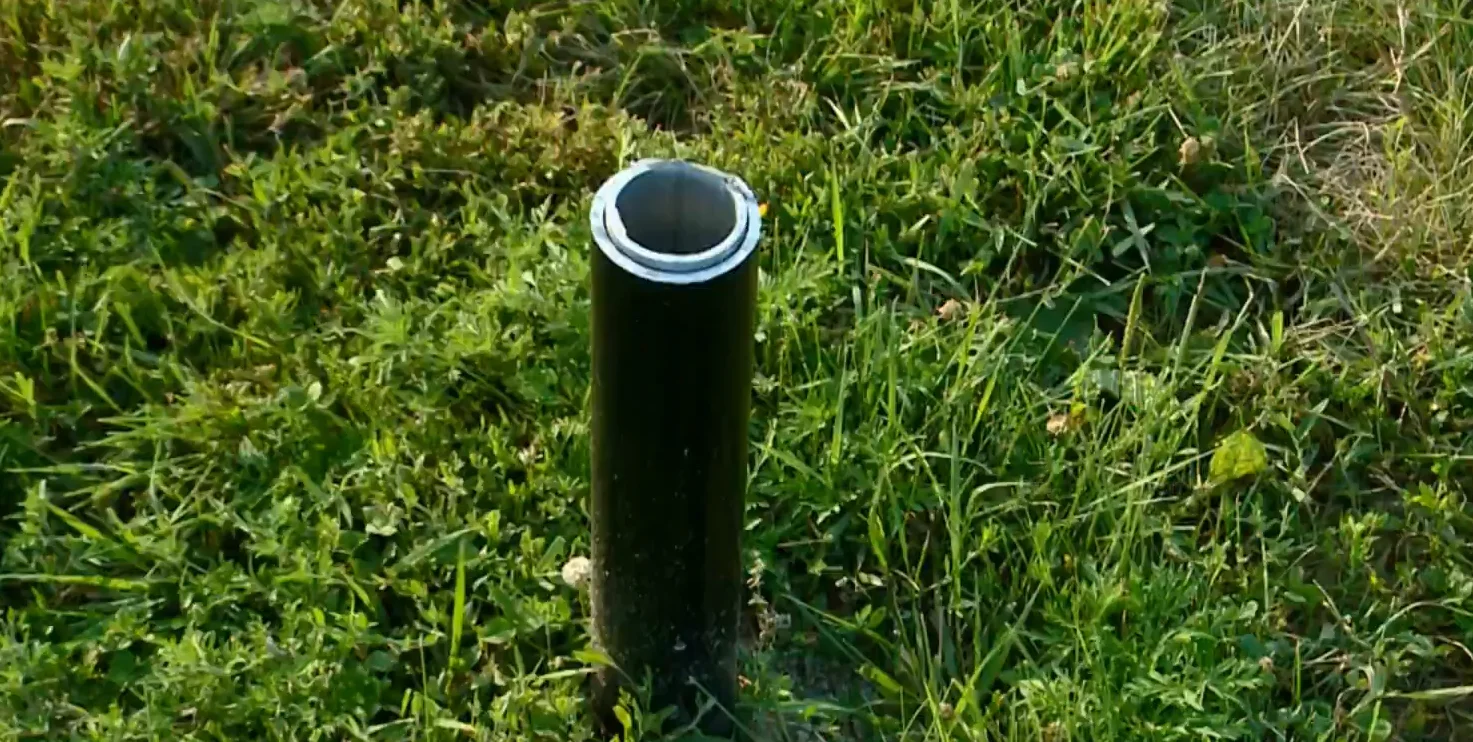
One town was shocked when all eight of the cameras were cut down in a single night. When police started asking who did it, everyone commented with answers suggesting the cutter had an alibi. It seems like the public supports everyone cutting down these Flock Cameras.
▶ VIDEO
What are flock cameras?
Flock cameras are motion-activated Automated License Plate Readers (ALPRs) developed by Flock Safety. Powered by solar or battery, they capture detailed vehicle information—like license plates, make, model, color, and unique features such as bumper stickers, roof racks, or dents—rather than recording continuous video of people’s faces.
They work by snapping photos of vehicles on public roads, neighborhood entrances, or in commercial parking lots. The images and related text data are encrypted and stored in a searchable cloud database, typically set to auto-delete after 30 days unless tied to an active case. Police and authorized entities can search the system using partial plates or physical details to get leads or real-time alerts for stolen vehicles.
Controversy surrounds their use. Privacy advocates like the ACLU argue these networks track the movements of ordinary citizens, creating mass surveillance concerns. Supporters, including law enforcement, say the data helps solve thousands of property and violent crimes quickly each year.